A Sleepier Night: How to Choose Bedding for Better Rest
A guided exploration of fabric, fit, and the quiet science of sleep, with practical recommendations for fitted sheets, duvet covers, and nursery essentials that nurture serenity at the end of the day.
Sleep is not a luxury so much as a nightly investment. The fabric your bed wears, the way a fitted sheet clings to the mattress, and the rhythm of the duvet against your skin all contribute to an atmosphere of rest. In this guide, we step beyond the marketing gloss and examine what makes bedding truly conducive to a calmer, more restorative night. We’ll consider material choices—from organic cotton to linen and sateen—along with pocket depths, fit, and maintenance. We’ll also draw connections to broader themes in modern living: the home as sanctuary, the nursery as a safe harbor for a child, and the curious intersection where luxury bedding meets everyday practicality.
Before you buy, imagine your sleep as a scene—one that unfolds differently depending on whether you drift off beneath a cool, crisp percale or a softly weighted sateen. The goal is not to chase the softest fabric or the latest thread-count record, but to curate a sleep environment that respects your body’s rhythms, temperature, and routine.
Key Factors When Choosing Fitted Sheets
The fitted sheet is a small thing with a surprisingly large impact. It anchors the bed’s surface, preventing the fabric from sliding under you at 3 a.m. It also serves as the starting point for how a sleep space feels: neat, organized, and ready for rest.
- Fabric type: Organic cotton, linen, bamboo blends, or cotton sateen each bring a distinct texture and temperature profile. Organic options often prioritize gentle skin contact and chemical-free processing, which can matter for nursery bedding and for sleepers with sensitive skin.
- Thread count versus feel: A higher thread count is not a universal predictor of comfort. Percale with around 250-270 TC offers a crisp, breathable feel, while sateen in the 300 TC range tends to be smoother and warmer. The right choice depends on climate and personal preference.
- Pocket depth: Deep pockets—often up to 18 inches—accommodate thicker mattresses or toppers. For adjustable beds or split configurations, ensure the pockets align with the bed’s profile.
- Fit for mattress size: A proper fit reduces bunching and extends the life of both sheet and mattress. Look for corner elastic with reinforced stitching for durability.
- Care instructions: Machine washability, shrinkage, and drying conditions affect long-term performance. Organic fabrics may require a pre-wash cycle to account for natural shrinkage.
Complementary Bedding: The Whole Sleep Ensemble
Complementary pieces—duvet covers, mattress protectors, and nursery-grade sheet sets—work in concert with fitted sheets to craft an environment of steady rest.
- Duvet covers: A breathable cover in natural fibers helps regulate temperature and protect the insert. A well-finished duvet cover with corner ties or secure closures keeps the fill evenly distributed and reduces shifting.
- Mattress protectors: Protectors with breathable membranes and organic backing extend mattress life while maintaining comfort. For hot sleepers or those who value a cooler night, look for moisture-wicking properties and a fabric that does not trap heat.
- Nursery-friendly options: For infants and toddlers, organic crib sheets and breathable muslin fabrics reduce exposure to chemicals while supporting temperature regulation in the nursery.
A Look at Time-Honored Materials
Each material type carries its own history of comfort, durability, and care. Let’s briefly consider three enduring choices and how they tend to behave in real bedrooms.
Organic Cotton Percale
A crisp, breathable weave that keeps the night air moving and the skin calm.
Percale sheets created from GOTS-certified organic cotton often feel cooler to the touch, making them ideal for warm climates or hot sleepers. The one-over-one-under weave yields a matte finish with a light, airy drape that promotes air circulation and a hotel-like crispness.
Cotton Sateen
Silky smooth with a gentle sheen and a warmer, cozier silhouette.
A 300-thread-count cotton sateen offers a luxurious hand while maintaining breathability if properly woven. Sateen’s satin-like surface can trap a bit more heat, so it suits cooler nights or people who prefer a softer touch.
Linen and Linen-Blend
Muscular, breathable, with a natural temperature-balancing presence.
Linen fibers breathe exceptionally well and tend to improve with age, developing a relaxed character. Linen blends can balance the feel, offering a cooler night and a drape that softens over time.
A Reader’s Table: People Who Shaped Our Sleep, Across Eras
Thoughtful sleep culture benefits from the voices of varied time periods. Here are three key figures whose ideas resonate with today’s bedding priorities.
1) Florence Nightingale (1820–1910)
Pioneer of modern nursing and hospital sanitation, Nightingale’s quiet influence on patient rest translated into the built environment.
Nightingale understood that recovery requires rest. Though she did not design sheets, her emphasis on cleanliness, fresh air, and orderliness echoes in today’s attention to breathable fabrics, clean dyes, and thoughtful, civil design of bed linens. Her legacy nudges bedding choices toward materials that promote comfort without sacrificing hygiene, a principle that informs today’s organic and non-toxic options.
2) Maria Montessori (1870–1952)
Educator who shaped early environments to support autonomy and calm learning rhythms.
Montessori’s ethos centers on an environment that supports independent, calm activity. Transposed to the nursery, this translates into safe, breathable crib textiles, fitted sheets designed for quick changes, and nursery sets that minimize irritants while maximizing comfort. The sense of order and predictability translates into choices that favor simple, well-made fabrics, edge-to-edge elastic, and non-toxic dyes.
3) Harvey S. Wiley (1855–1947)
Chemist whose work advanced the regulation of pesticides and the safety of consumer goods.
Wiley’s relentless pursuit of safer consumer products underwrites the modern demand for organic fabrics and transparent labeling. In bedding, this means certifications, ethical sourcing, and materials free from harmful chemicals. Readers can translate this legacy into selecting sheets that are not only soft but also clean and responsibly produced.
Practical Guidance: Selecting Bedding for Restful Nights
With the themes above in mind, here is a practical blueprint for readers seeking better sleep through material choice, fit, and complementary bed accessories.
Choosing the Right Fitted Sheet
Focus on fit, fabric, and care.
- For hot sleepers or warm climates: opt for percale or lightweight linen blends that maximize airflow
- For cooler climates or those who prefer a snug, soft touch: cotton sateen in the 300 TC range can feel luxurious without overheating
- Ensure deep pockets and reinforced corners to accommodate mattresses with toppers or thicker padding
- Consider organic fabrics for sensitive skin and nursery safety
Duvet Covers and Mattress Protectors
Protect, regulate, and refine your sleep surface.
- Choose duvet covers with corner ties or secure closures to keep the fill evenly distributed
- Use a breathable mattress protector to guard against spills while keeping the surface comfortable
- For nurseries, prioritize organic materials and GOTS certification to minimize chemical exposure
Product Spotlight: A Selection to Inspire
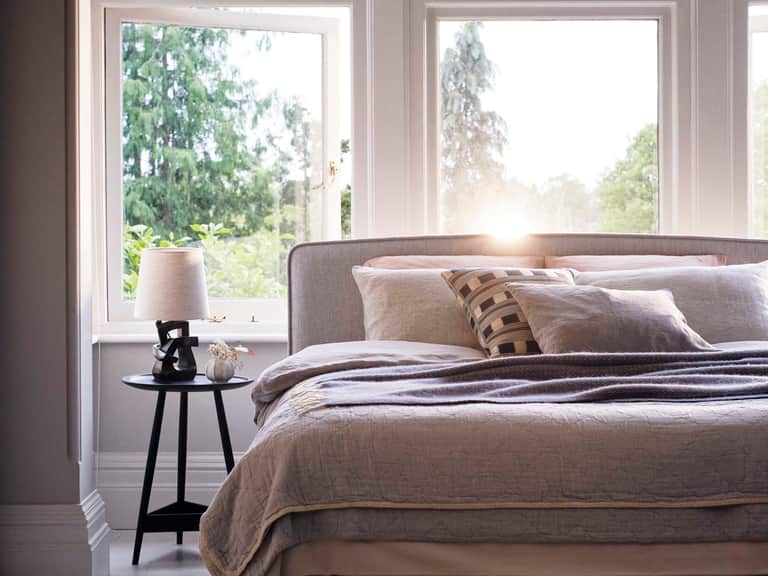
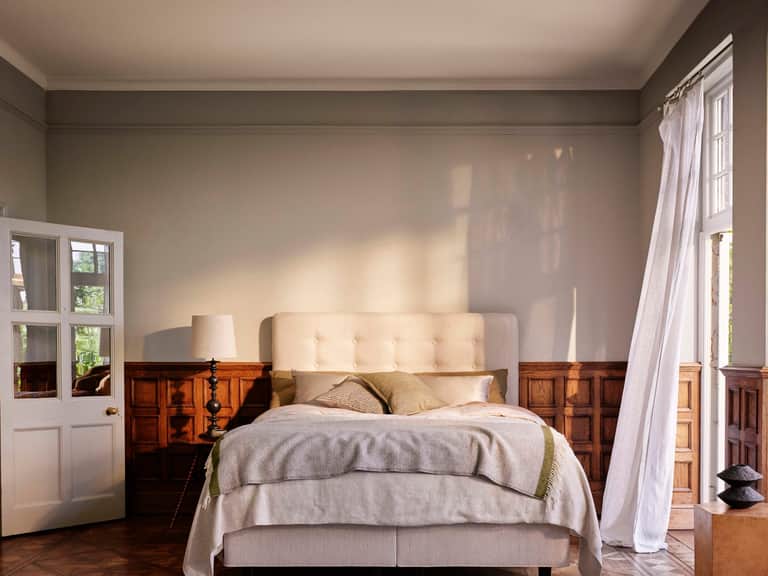
The world of bedding offers a spectrum from the artisanal to the scientifically engineered. Here are two curated examples that illustrate the range—from the luxe to the practical—and a third option that bridges the gap between everyday comfort and high-end design. Images are provided for reference to help readers imagine textures and fit in their own rooms.
Vispring Elite Mattress
Mattress SpotlightA benchmark in traditional craftsmanship, marrying pocket springs with natural fillings for a balanced feel.
Price: $3,600.00. A classic that prioritizes support and luxurious materials. This mattress is a reminder that the foundation of rest begins with the bed itself.
Sleep and Beyond mySheet Set
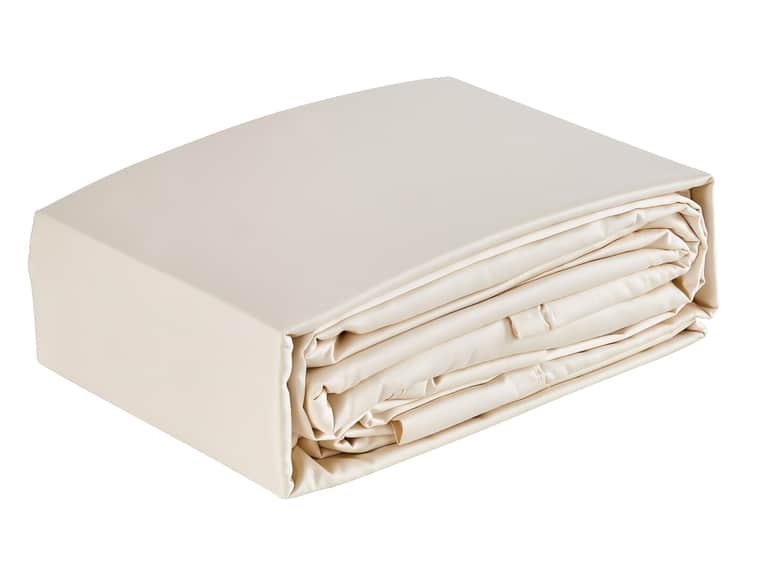
Sheet SetA soft 300-thread-count cotton sateen sheet set with deep pockets and reinforced corners for durable daily use.
Price: $115.00. An affordable, natural alternative that emphasizes safety, sustainability, and practical convenience for busy households.
Nursery Spotlight: Naturepedic Sateen Crib Sheets
Nursery PickGentle, organic fabric designed for the delicate skin of infants and the high-traffic nursery environment.
A Naturepedic organic sateen crib sheet, crafted from 100% GOTS-certified organic cotton with a fitted design and full elastic perimeter. Safe for babies and simple for caregivers.
Conclusion: The Quiet Craft of Better Rest
The aim of fitted sheets and their kin is modest in declaration but ambitious in effect: to cradle the sleeper in an atmosphere of ease, regulate the body’s temperature with graceful invisibility, and let the world’s small, daily rituals unfold without friction. In the end, what you choose for your bed matters because it shapes the night’s most intimate hours. The right fabric, the right fit, and the right care become acts of care themselves—quiet, essential, and surprisingly transformative.
As you consider the domain fittedsheets.org, imagine it as a thoughtful corner of the internet: a resource that blends expert information with accessible, editorial storytelling. The aim is not to overwhelm with numbers but to illuminate a path toward calmer, more restorative nights. And if you need a reminder of why this matters, remember the sleep scholars and designers who insist that quality bedding is not merely a purchase but a daily ceremony—a ritual of self-respect, a vow to wake up ready to inhabit the day with intention.